
The Financing Process
Demystifying Home Loans
The home loan process can feel overwhelming
Understanding your financing options is an important first step when buying a home. A qualified mortgage lender can help you determine your buying power, compare loan programs and understand the costs associated with your purchase. Getting pre-approved early also helps us focus your home search on properties that fit your financial goals and puts you in a stronger position when you're ready to make an offer.
I don't choose a loan or lender for you, but I can help you understand how financing fits into the overall home-buying process and connect you with trusted lending professionals when needed. Whether you're considering conventional, FHA, VA or another financing option, your lender can help determine which programs you may qualify for and which best fit your situation.
Step One:
Get Pre-Approved
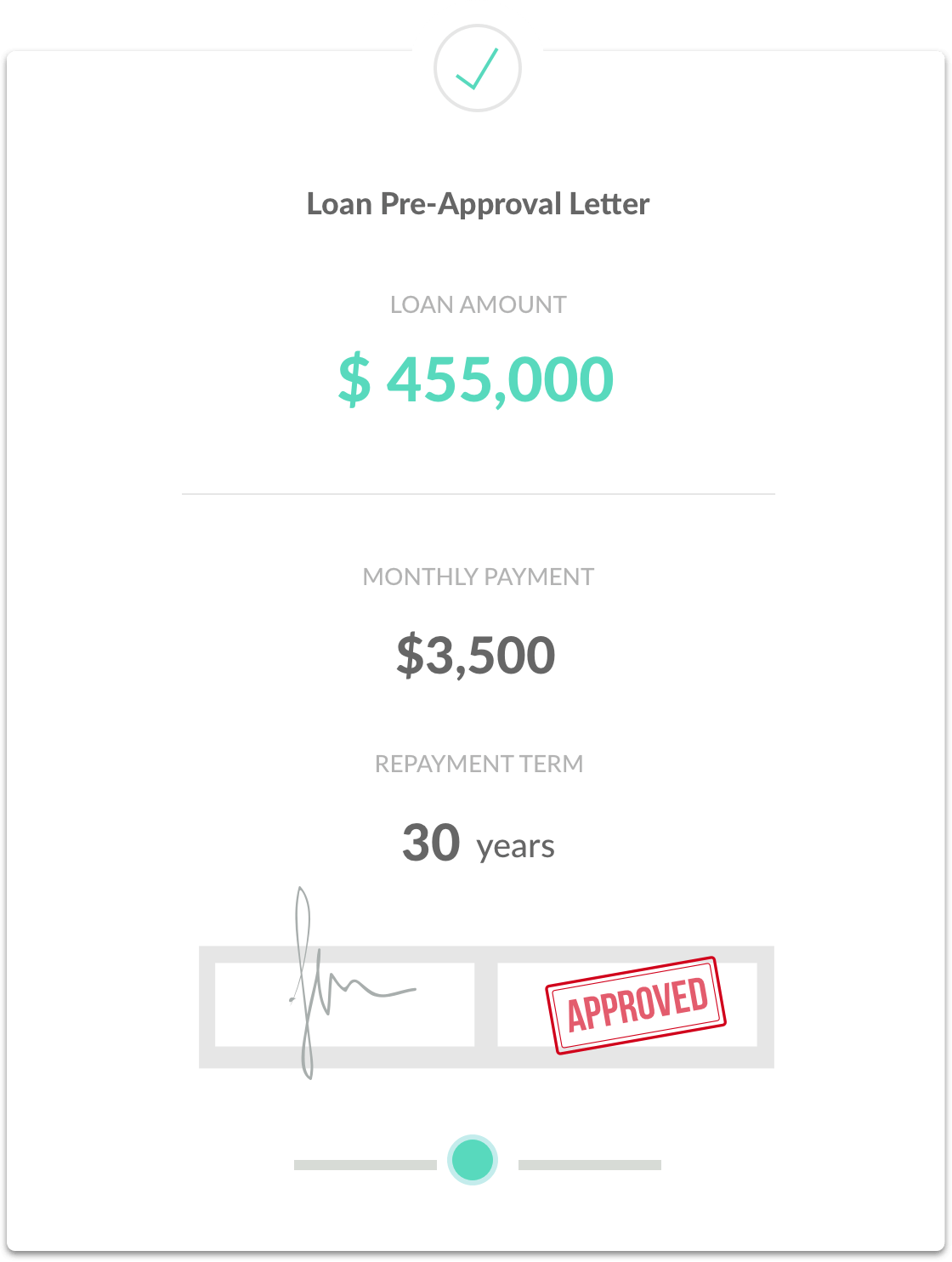
Before seriously shopping for a home, talk with a qualified lender and get pre-approved for financing. A pre-approval helps you understand your estimated buying power, anticipated monthly payment and the price range that makes sense for your goals. When you're ready to make an offer, sellers will also commonly expect financing buyers to provide a pre-approval letter.
During the pre-approval process, your lender will review information about your income, assets, debts and credit. Depending on your situation, you may be asked to provide documents such as pay stubs, bank statements, tax returns and other financial records.
Your lender can also help you compare financing options such as conventional, FHA and VA loans and explain the costs, requirements and potential advantages of each. Once we know your financing parameters, we can build a much more focused home search.
Estimate Your Monthly Payment
Estimate your mortgage payment, including the principal and interest, taxes, insurance, HOA, and Private Mortgage Insurance.
Price
Annual Tax
Loan Term (Years)
Down Payment %
Interest Rate %
Monthly HOA
Monthly Insurance
$3,198.20
Estimated Monthly Payment
Principal
$2,398.20
(75.0%)Taxes
$500.00
(15.6%)HOA
$100.00
(3.1%)Insurance
$200.00
(6.3%)Step Two:
Compare Your Financing Options
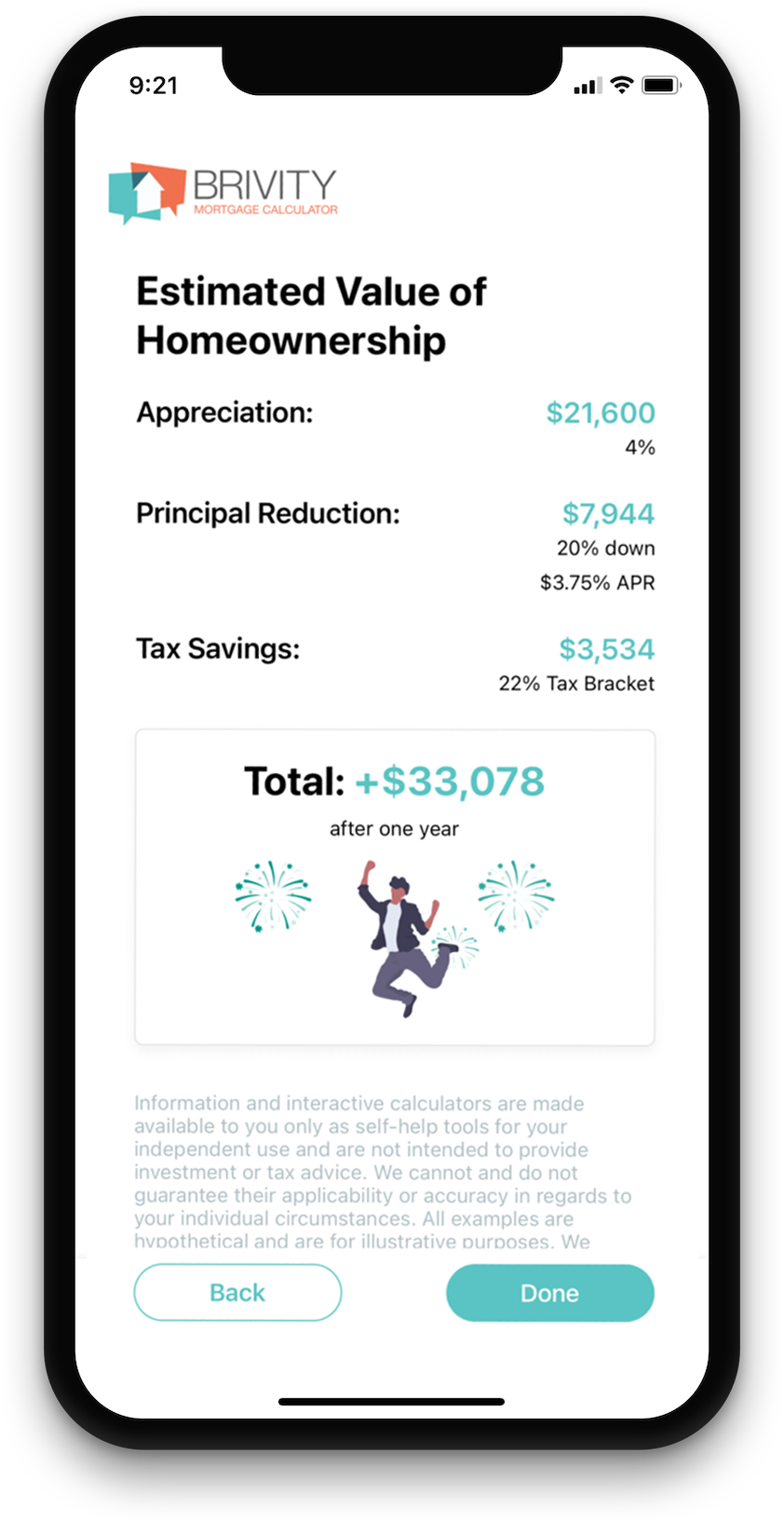
Interest rates are important, but they aren't the only factor to consider when choosing a mortgage. Loan type, down payment, closing costs, mortgage insurance, fees and the terms of the loan can all affect the true cost of financing your home. A qualified lender can help you compare your options and understand the differences before you make a decision.
If you don't already have a lender, I can connect you with trusted mortgage professionals who can discuss conventional, FHA, VA and other available financing options with you. You're always free to compare lenders and choose the one that's right for you.
Step Three:
Application and Processing
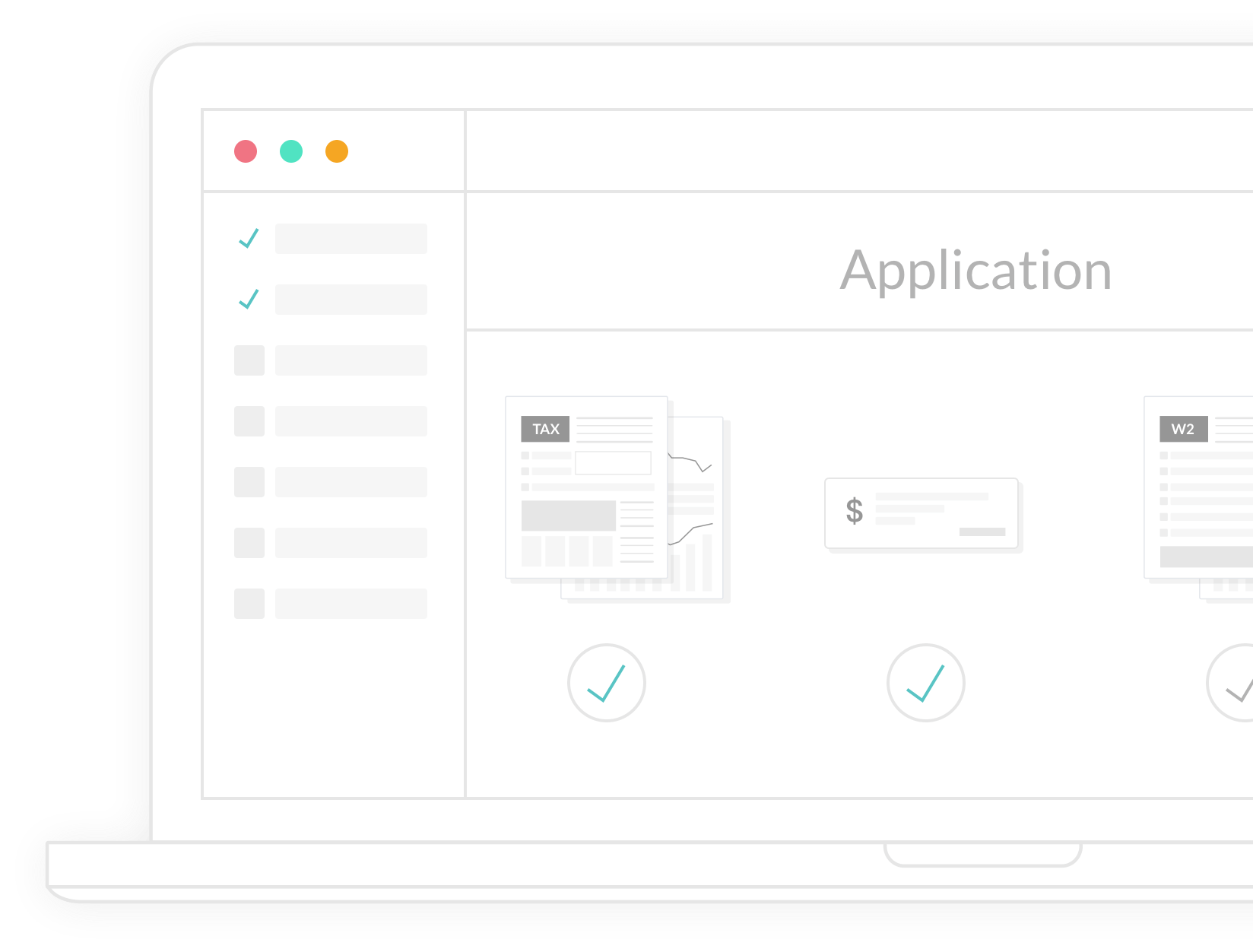
Once you've found a home, your offer has been accepted and you're under contract, your lender will move your financing into the full loan application and processing stage. You'll review the details of your loan, provide any required documentation and continue working with your lender toward final approval.
During this period, several things may be happening at the same time, including the home inspection, appraisal, title work and your lender's review of your financial documentation. Your loan will eventually move through underwriting, where the lender verifies that the loan meets its requirements.
Don't be surprised if your lender asks for updated bank statements, pay stubs or additional documentation during underwriting. Responding quickly can help keep the transaction moving and avoid unnecessary delays. I'll stay involved on the real estate side of the transaction, help track important contract deadlines and coordinate with the other professionals involved as we work toward closing.
Step Four:
Final Approval and Closing
As closing approaches, your lender will work toward final loan approval and provide the required closing disclosures. You'll also need to have homeowners insurance arranged and complete any remaining lender requirements before closing.
Before you sign, we'll review the final steps of the transaction and typically conduct a final walk-through of the property. At closing, you'll sign the required documents and provide any funds needed to complete your purchase. Your lender, title company and the other professionals involved will coordinate the remaining details.
Once the transaction has been completed and you're authorized to receive possession, it's time for the part you've been working toward—getting the keys to your new home.